

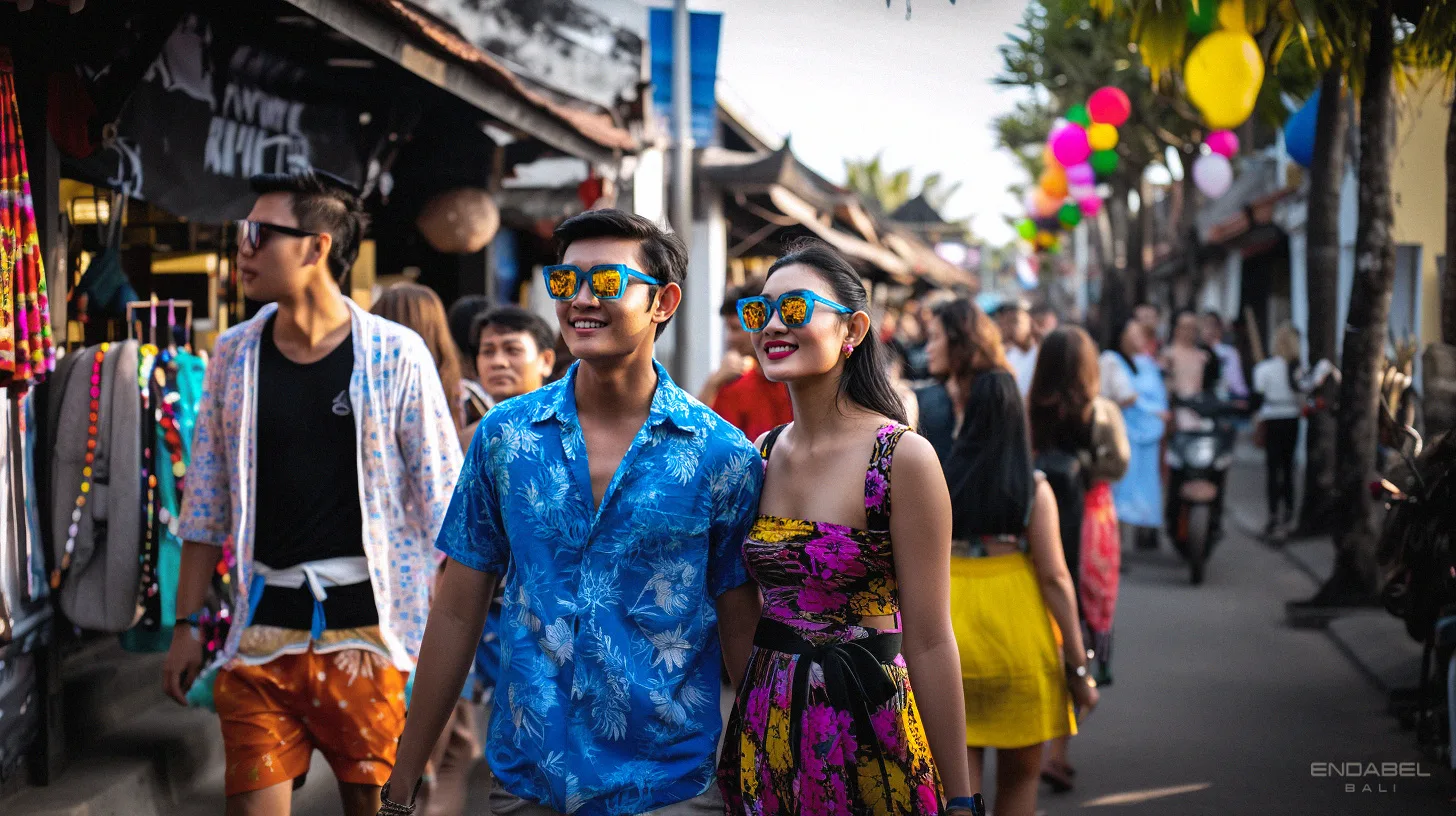
Bali is known for its beauty, creativity, and relaxed atmosphere. But what many visitors don’t realize is that how you dress still matters here. Clothing isn’t just about style. It’s tied to respect, tradition, and everyday practicality.
This doesn’t mean you need to dress conservatively all the time. It just means understanding what locals usually avoid, and why. Doing so helps you blend in, feel more comfortable, and show respect for the culture you’re visiting.
Overly Revealing Clothing Away From the Beach
Short shorts, sheer tops, and bikinis are common at the beach or by the pool. But once you leave those areas, locals generally avoid dressing that way. In everyday settings, a little more coverage is simply seen as more considerate and appropriate.
In towns, markets, and villages, revealing clothing is often seen as inappropriate, especially near temples or during ceremonies. Balinese culture places a strong emphasis on modesty, particularly in sacred or communal spaces. If you’re temple-hopping or even just passing by a community shrine, it’s worth dressing with that in mind.
This is why locals tend to choose light, breathable fabrics that cover the shoulders and thighs. A simple sarong or loose dress goes a long way. It also keeps you cooler in the heat while helping you blend in more naturally.
Clothing That’s Too Tight or Restrictive
You’ll notice most locals avoid clothing that’s extremely tight. Part of this is cultural, but part of it is practical. Clothing is expected to allow ease of movement and feel natural rather than restrictive.
Bali’s climate is hot and humid year-round. Tight clothing traps heat and restricts movement, which quickly becomes uncomfortable in daily life. This is especially noticeable when walking, riding scooters, or spending long hours outdoors.
Locals favor flowy silhouettes, relaxed fits, and natural fabrics that allow air to circulate. These choices help keep the body cool while still looking put-together. Comfort is valued just as much as appearance here.
All-Black Outfits for Everyday Wear
Black has an important role in Balinese ceremonies and spiritual life. It’s often associated with rituals, protection, and certain temple events. Because it carries that meaning, locals are usually a bit more intentional about when and where they wear it.
Because of this, locals usually avoid wearing all black casually. For everyday life, they lean toward lighter colors, earth tones, and soft patterns that reflect nature and balance. You’ll also see plenty of whites and creams, which feel cooler in the heat and suit Bali’s bright, outdoor lifestyle.
Wearing black isn’t forbidden, but head-to-toe black can feel out of place outside specific contexts. If you love darker tones, mixing black with neutrals or adding texture through linen, cotton, or subtle patterns tends to look more “Bali-friendly” while still feeling like you.
Excessively Flashy Jewelry
Balinese people love adornment, but there’s a clear difference between jewelry that feels meaningful and jewelry that feels showy. Accessories are often chosen with intention, not just to make a statement, but to reflect balance and personal values.
Locals often avoid jewelry that feels overly loud, oversized, or purely status-driven. Pieces designed mainly to signal wealth or grab attention don’t align with everyday Balinese style. Instead, both traditional and contemporary Balinese jewelry tends to be symbolic, handcrafted, and thoughtfully balanced rather than flashy.
Silver, natural stones, and pieces with spiritual or cultural meaning are far more common than bold, attention-grabbing designs. These materials age beautifully and are easy to wear daily. The focus is less on trend-driven shine and more on craftsmanship that feels timeless and grounded.
Cheap Costume Accessories
Fast-fashion accessories made from plastic or low-quality metals are rarely worn by locals. Many Balinese people grow up surrounded by craftsmanship, from wood carving to metalwork, so there’s an early awareness of how things are made and why that matters. Mass-produced pieces tend to feel disposable by comparison.
Because of that, there’s a strong appreciation for quality and intention. Jewelry is often worn daily, not just for special occasions, so it needs to feel authentic and durable enough to last. Pieces that age well and develop character over time are valued far more than items that quickly lose their finish.
This is one reason handmade pieces resonate so deeply here. They reflect skill, patience, and care, values that are woven into everyday Balinese life. Wearing something thoughtfully made is seen as a quiet form of respect, not a fashion statement.
Shoes That Don’t Come Off Easily
Slip-on sandals are everywhere in Bali. Sneakers with complicated laces or heavy boots are not. Locals tend to avoid footwear that feels bulky, slow to remove, or impractical for daily routines.
Homes, temples, and some shops require shoes to be removed. Locals prefer footwear that’s easy to take on and off, breathable, and suited for walking on uneven surfaces. This becomes especially important when you’re in and out of different spaces throughout the day.
Flip-flops, slides, and simple sandals fit naturally into this rhythm. They’re lightweight, comfortable, and well-suited to the climate. Practicality always wins.
Clothing With Offensive Symbols or Messages
This may seem obvious, but it’s worth mentioning. Locals avoid clothing with aggressive slogans, explicit imagery, or disrespectful religious symbols.
Balinese culture is deeply spiritual. Wearing something that trivializes or mocks belief systems is considered disrespectful, even if unintentional.
When in doubt, simple and neutral is best.
Why This Matters
Balinese fashion is rooted in harmony. Harmony with the environment, with the community, and with the spiritual world.
Dressing thoughtfully doesn’t mean giving up personal style. It means choosing pieces that feel aligned with where you are. Lightweight fabrics, meaningful jewelry, and relaxed silhouettes fit naturally into daily life here.
When you dress with awareness, you don’t just look better. You feel more connected to the place you’re in.


